M&A Advisory for CPG Founders and Private Equity Firms

Two decades of pattern recognition across better-for-you food, beverage, beauty, and fitness exits.


There's a moment every founder recognizes

You're three years past your exit, and someone asks how it went. You say "great"—because the valuation was strong, the deal closed, the money arrived. But then they ask if you're proud of where the company went, and you hesitate.The buyer gutted your R&D team. They cheapened the formulation to improve margins. They laid off the employees who built this with you. Your brand—the one that took fifteen years to create—is now just another SKU in a portfolio of commoditized products.You got paid. But you lost something that mattered more than you realized.I've heard this story dozens of times. Different founders, different industries, but the pattern is consistent:The earnout that never paid because the buyer manipulated EBITDA through transfer pricing and overhead allocation. Founders who were promised $5M in performance payments received $200K—and spent more than that on attorneys trying to enforce the agreement.The "strategic partnership" that was actually cost extraction. Buyers who promised to preserve culture, invest in growth, and maintain the team. Then, six months post-close, they consolidated operations, eliminated redundancies, and laid off 40% of staff.The founder who stayed for transition and regretted it. Two years of reporting to corporate executives who didn't understand the brand, being overruled on product decisions, watching everything you built get dismantled. The earnout kept you trapped. Your reputation suffered because customers thought you endorsed the changes.The deal that looked perfect on paper but destroyed the legacy. Premium valuation, clean structure, credible buyer. But the integration plan was financial engineering disguised as strategy. Within eighteen months, the brand equity you spent a decade building had evaporated.These aren't edge cases. These are the outcomes when M&A advisors optimize for closing deals instead of protecting founders.

  The industry needs something fundamentally different.

I spent two decades watching this happen. As a wealth advisor working with entrepreneurs post-exit, I counseled the founders who regretted their decisions. I heard what went wrong. I saw the patterns. And I realized: the industry needs something fundamentally different.Most M&A advisors are volume businesses. Fifty deals a year. Junior associates doing the work. Partnerships running on commission splits. They're incentivized to close, not to be selective. Your exit becomes one more transaction in their pipeline.Evans & Company exists to repair the breach. We're building the M&A advisory that should exist—one that cares as much about your post-exit outcome as your pre-exit valuation. Selective, founder-focused, wealth-preservation integrated from day one.If you've built something irreplaceable and want to ensure it's represented that way, keep reading.

For CPG Founders

You've built a brand that commands shelf space, pricing power, and customer loyalty. The kind of business where people refuse to substitute. Where retailers give you prime placement because your products drive traffic. Where margin compression hasn't touched you because your customers won't accept alternatives.This didn't happen by accident. You made choices others wouldn't make—cleaner ingredients that cost more, sustainable packaging that reduced margins, slower growth to preserve culture. You said no to conventional wisdom and built something defensibly different.Now you're fielding interest from buyers. Strategic acquirers who see your brand filling a gap in their portfolio. Private equity firms who've identified your category as a growth opportunity. Maybe a founder you respect who wants to build a house of brands.But here's what most advisors won't tell you: how your company is presented determines what buyers see, what they'll pay, and whether they'll preserve what you've built.

What's Actually at Stake

Most M&A advisors position your business as an "investment opportunity"—a collection of revenue streams, customer data, and manufacturing contracts. They create a Confidential Information Memorandum that reads like every other CIM: executive summary, market overview, financial highlights, transaction structure.Your business gets sent to a hundred buyers. Maybe two hundred. Most won't understand what makes you special. They'll compare you to competitors on spreadsheet metrics: revenue multiple, EBITDA margin, customer acquisition cost.This approach costs you in three ways:First, valuation. When buyers can't see what makes you irreplaceable, they treat you as replaceable. Your brand gets positioned as a commodity, which means commodity pricing. The strategic premium you deserve never materializes because the strategic value was never articulated.Second, buyer quality. When you cast a wide net, you attract volume buyers looking for deals, not strategic partners looking for brands. The ones who'll pay most are often the ones who'll destroy what you built—cutting costs, commoditizing formulations, gutting the team that made you successful.Third, legacy. Years from now, you'll either be proud of where your company went, or you'll regret who you sold to. Most founders don't get to choose—because by the time they realized the buyer was wrong, they'd already taken the money.

A Different Approach

What if your business was presented the way premium brands present themselves?What if buyers received materials so compelling that they finished reading and thought, "I want to own this"?

  We curate buyers the way galleries curate collectors.

What if instead of sending your CIM to everyone, we curated twenty-five perfect matches—buyers researched, qualified, and personally approached with specific reasons why your brand fits their strategy?What if the entire process honored what you built instead of just extracting what they'll pay?We advise on:

  • Exit readiness positioning (12–24 months pre-LOI): What buyers will scrutinize, how to prepare, when to engage the market

  • Sell-side M&A strategy and buyer identification: Curating buyers who should want this, not just buyers who could afford this

  • Materials creation: Positioning your company with the sophistication it deserves

  • Diligence preparation across eight parallel workstreams: Coordinating the process so buyers discover opportunity, not problems

  • Deal structure optimization: Earnouts, rollover equity, tax treatment, management transition—the details that determine whether you keep 70% of proceeds or 50%

  • Post-LOI negotiation support through close: We're there until the wire hits your account

  • Post-exit wealth preservation: Integrated advisory through Your Family CFO so you don't fumble the bag

  This is the difference between selling a company and architecting a legacy.

For Private Equity Firms

You're evaluating CPG acquisitions where brand strength doesn't guarantee operational resilience. Where "customer loyalty" might be founder-dependent. Where margin expansion assumptions require supply chain optimization that could break what's working.You've seen it before: A brand that looks perfect in the CIM falls apart in diligence. Manufacturing is concentrated with a single co-packer who can't scale. The founder is the brand, and customers won't follow after transition. "Clean label" claims require ingredient sourcing that's fundamentally unprofitable at target volumes.We provide buy-side diligence intelligence that determines whether deals close at LOI valuations or crater in discovery.

What We Analyze

Margin sustainability across distribution channels: Your pro forma assumes 45% gross margins hold as the brand scales. But those margins exist because the founder negotiates personally with fifteen retailers who give preferential placement. New ownership loses that relationship equity. Margins compress to 38%. Your returns model breaks.Manufacturing dependencies and supply chain fragility: The company reports "diversified manufacturing." Due diligence reveals three co-packers—one for 70% of volume, two for specialty SKUs. The primary facility is at 90% capacity with 18-month lead times for new equipment. You can't scale without $8M in capex and two years of planning.Brand narrative durability under corporate ownership: The brand's positioning is "family-founded, mission-driven, sustainably-sourced." The founder appears in every marketing campaign. Her personal story is the brand story. Post-acquisition, customers see this as a "sellout." Brand equity evaporates. You're left with distribution and recipes.Integration complexity and synergy feasibility: Your investment thesis assumes $4M in cost synergies from procurement leverage and overhead reduction. But the brand's differentiation requires specific ingredients that your portfolio doesn't source. The team is lean—cutting overhead means losing the people who make the brand work. Synergies exist on paper, not in reality.Founder separation risk: Management says they'll stay for transition. But the earnout is structured wrong—they'll optimize for short-term EBITDA instead of sustainable growth. Or they're exhausted and won't survive two years of corporate oversight. Either way, you lose institutional knowledge exactly when you need it most.

Our Approach

We've spent two decades watching CPG acquisitions succeed and fail—not from the deal side, but from the aftermath. Counseling founders post-exit. Hearing what went right and what went wrong. Seeing which buyers preserved value and which destroyed it.The patterns are consistent. Premium brands require premium diligence—understanding not just what the numbers say, but what they mean.When you engage us for buy-side work, you're not hiring someone to verify data room documents. You're hiring pattern recognition: What actually drives value here? What breaks under new ownership? What does this look like thirty-six months post-close?We don't tell you what you want to hear. We tell you what you need to know.


Why Evans & Company Exists

For almost twenty years, I've worked as a wealth advisor for entrepreneurs post-exit. I help founders preserve and deploy liquidity after they've sold their businesses.

Which means I hear the stories most M&A advisors never do.The founder who sold for $40M and, three years later, has $18M left because he made emotional investments in startups, bought depreciating toys, and locked capital in illiquid LP commitments. The deal was structured fine. The wealth preservation wasn't.The founder who got a premium valuation but regrets the buyer. The acquirer promised to maintain the brand, invest in R&D, and preserve culture. Six months post-close, they consolidated manufacturing, cheapened formulations, and laid off the team that built the company. She got paid, but watching what happened to her life's work was devastating.The founder trapped in a two-year earnout structured to never pay. The buyer manipulates EBITDA through transfer pricing. She's working 60-hour weeks for a company she no longer owns, watching the earnout targets become unreachable, unable to leave because the contract requires her presence.The founder who chose the highest bidder and regretted it. A strategic acquirer offered 7.8x EBITDA. A private equity firm offered 8.2x. He took the PE offer. Eighteen months later, the PE firm is slashing costs, the brand is suffering, and he wishes he'd chosen the strategic who would have invested in growth.These aren't edge cases. These are the predictable outcomes when M&A advisors optimize for closing deals instead of protecting founders.

  Every engagement is a proof point. Your outcome is our credibility.

The patterns are consistent:Volume-driven M&A shops take fifty clients a year. Junior associates do the work. Senior partners show up at closing. Your story gets compressed into a generic CIM that reads like every other pitch book. Your company gets sent to two hundred buyers. The highest bidder wins. The deal closes. The advisor gets paid. And nobody thinks about what happens to you five years later.I watched this for almost two decades, and I realized: the industry needs something fundamentally different.

The Background That Made This Possible

My path to wealth advisory was unusual.Investment banking at Bear Stearns and UBS taught me financial sophistication. I worked on nine-figure deals with companies like Disney, Campbell's, and Snapple. I learned how to analyze businesses, structure transactions, negotiate terms that protect clients. I learned that numbers tell stories—if you know how to read them.Bad Boy Entertainment taught me storytelling and the cost of bad deal structure. I was employee number seven. I negotiated deals that built brands worth hundreds of millions. But I also learned painful lessons about equity versus cash, performance metrics versus actual value, what you're promised versus what you own. Those mistakes cost me millions—and taught me what to protect in every deal since.Almost twenty years in wealth advisory taught me what happens after the exit. I work with entrepreneurs post-transaction, helping them preserve and deploy liquidity. I've watched which deals founders are proud of five years later, and which ones they regret. I've heard hundreds of horror stories. And the patterns are predictable.This combination is rare. Wall Street sophistication. Entertainment industry storytelling. Wealth advisor's understanding of post-exit psychology. Most M&A advisors have one skill set. I have all three.And after almost two decades of counseling founders who regretted their exits, I decided to build the advisory that should exist.

The Mission

Evans & Company exists to repair the breach.We're building M&A advisory the way it should work:

  • Selective, not volume-driven (2–3 deals annually)

  • Founder-focused, not transaction-focused

  • Post-exit outcomes valued equally with deal terms

  • Wealth preservation integrated from day one

  • Materials and positioning that honor what you built

We're not competing with fifty-deal pipelines. We're building something different—an advisory where every engagement matters, where your outcome is our track record, where we care as much about your legacy as your valuation.If you've built something irreplaceable, you deserve to be represented that way.

Pattern Recognition Across 20+ Years

I don't have a portfolio of recent deals to showcase. What I have is two decades of watching M&A outcomes from the other side—counseling founders post-exit, hearing what went right and what went wrong, seeing which deals created lasting wealth and which destroyed it.The patterns are consistent:Deals that preserve founder involvement during integration close stronger. Not because founders are irreplaceable, but because buyers who structure meaningful transition roles are serious about stewardship. They're investing in continuity, not just extracting assets. These deals outperform. Founders who leave immediately often watch from the sidelines as buyers mismanage what they built.Companies with diversified manufacturing relationships survive diligence. Single co-packer dependency gets discovered in diligence, triggers renegotiation, and compresses valuations. Buyers see concentration risk and adjust pricing accordingly. Smart founders address this twelve months before going to market.Brands dependent on founder narrative lose pricing power post-exit. If the founder's personal story is the brand story, and they're exiting completely, buyers discount for transition risk. Strategic premium evaporates. Either the founder stays meaningfully engaged, or valuation reflects commodity positioning.PE firms that promise autonomy rarely deliver it. Cultural fit matters more than valuation spread. A firm offering 7.5x who understands brand-building outperforms a firm offering 8.0x who sees you as margin expansion opportunity. Integration approach predicts outcome better than purchase price.Earnouts structured by volume-driven advisors rarely pay. The targets are aggressive. The definitions are vague. The buyer has control over operations that determine payout. Founders fight for years and recover pennies. Earnouts can work—but only when negotiated by someone who understands how they're gamed.The best deals happen when both sides see the same future. Strategic acquirers who articulate a clear vision for your brand—growth channels, product extensions, international expansion—and demonstrate capability to execute it, these deals become partnerships. Everyone wins. The alternative is financial engineering disguised as strategy, and those deals create resentment.Post-exit wealth gets fumbled predictably. Emotional startup investments. Depreciating toys. Illiquid LP commitments. Tax-inefficient portfolios. Founders who didn't plan for life after the exit often lose 30–40% of proceeds within five years—not because investments failed, but because strategy never existed.These patterns are why Evans & Company integrates wealth preservation from day one. The M&A deal is mile marker one in a thirty-year wealth journey. We're thinking about both.


Why Now

Eleven days ago, I launched a newsletter called The Stretch.The premise: M&A intelligence for CPG founders and investors. The kind of analysis most advisors keep proprietary, made available to founders who are considering exits.In eleven days:

  • 508 subscribers (no paid ads, pure word-of-mouth)

  • 31% open rate (industry average: 15–20%)

  • 85% audience in CPG (food, beverage, beauty)

  • 38% founders, CEOs, and presidents

This proves something important: Founders are hungry for a different approach to M&A.They don't want generic advice. They don't want to be treated as inventory. They want sophistication, curation, and someone who understands what they've built.The Stretch is the proof of concept. It demonstrates the level of thinking founders deserve. If the newsletter resonates—and clearly it does—imagine what the advisory feels like.Evans & Company is what happens when you apply that same philosophy to actual transactions. Not volume-driven. Not transactional. Not optimizing for the advisor's economics at the expense of the founder's outcome.We're building the M&A advisory that should exist. Selective, founder-focused, post-exit integrated. Every engagement is a proof point. Your success becomes our track record.If you want to be part of building something different—if you want your exit to be a case study in how this should work—let's talk.


Our Approach

We're not pitching a fifty-deal track record. We're building something new—M&A advisory structured the way it should be. Selective, thoughtful, integrated with post-exit wealth preservation.Every engagement is a proof point. Which means we can't cut corners. Your outcome is our credibility.Here's how we work:

Exit Readiness Assessment

Before engaging buyers, we answer a question most advisors never ask: Is your company positioned for maximum valuation, or will buyers find problems that trigger renegotiation?We evaluate what buyers scrutinize in diligence—not to create anxiety, but to prepare strategically.Financial controls and reporting infrastructure: Can you produce monthly financials within ten days of month-end? Are revenue recognition policies defensible? Do you have clean audited statements, or will buyers need to recast everything? Sophisticated buyers expect institutional reporting. If you're running on QuickBooks with cash-basis accounting, they'll discount for financial risk.Customer concentration and retention metrics: If your top three customers represent 60% of revenue, buyers see dependency risk. If churn is high or increasing, they'll question brand strength. We help you understand what concentration looks like in your category, whether retention is defensible, and how to frame these dynamics so buyers understand context, not just numbers.Manufacturing dependencies and alternative sourcing: Single co-packer? Buyers will discover it in diligence and negotiate downward. We assess supply chain fragility—capacity constraints, quality control, alternative suppliers, lead times for transitions. Then we help you either diversify pre-market, or articulate why concentration exists and how it's managed.Supply chain resilience and ingredient risk: Are you dependent on a single ingredient source that could be disrupted? Have you locked in long-term contracts, or do you buy spot market? Buyers assess supply chain risk forensically. We help you document resilience or acknowledge dependencies transparently.Intellectual property documentation: Trademarks registered and renewed? Recipes documented and protected? Key formulations reproducible by someone other than your R&D lead? IP gaps create post-close disputes. We identify what needs documentation and help you address it pre-market.Key person dependencies (including you): If buyers believe the business can't run without you, they'll structure earnouts that trap you for three years. If they believe your team is strong, they'll pay upfront. We assess organizational depth and help you demonstrate that systems, not just people, drive performance.Companies that fix these issues pre-LOI command premium valuations. Companies that discover them during diligence renegotiate downward.

Strategic Buyer Identification

Not all buyers are equal. Some will destroy what you built. Others will accelerate it.The difference is not capital—it's intent, capability, and cultural fit. We curate buyers the way galleries curate collectors: researching who should want this, not just who could afford this.Strategic acquirers: Who's been acquiring in your category? Why? What do they value—revenue growth, margin profile, brand positioning, distribution access? Which acquirers have successfully integrated brands like yours without killing them? Which ones have a reputation for slash-and-burn cost reduction?We map the universe. Not just the obvious players, but the non-obvious ones: the international company eyeing U.S. entry, the adjacent-category brand building a portfolio, the strategic who just raised capital and needs deployment opportunities.Private equity firms: Which firms focus on your category? What's their typical hold period, value-creation strategy, operational approach? Do they have platform companies that need bolt-ons, or are they building new platforms? What's their track record—how do founders describe the experience two years post-close?We identify buyers who:

  • Have successfully integrated similar brands without destroying them

  • Value cultural DNA, not just EBITDA

  • Understand that founder involvement during transition drives outcomes

  • Can credibly execute the growth vision they're pitching

The right buyer understands the integration paradox: touch too much and you break what you bought. Touch too little and synergies never materialize. The wrong buyer becomes the hostage—paying for a brand they subsequently devalue through mismanagement.We've heard enough horror stories to predict this.

Materials Creation & Positioning

Your Confidential Information Memorandum is not a document. It's the first impression buyers have of your life's work.Most CIMs are forgettable. Executive summary. Market overview. Financial highlights. Generic language that could describe any company. Your business becomes indistinguishable from competitors.We position companies the way premium brands position themselves.We don't lead with an executive summary. We lead with the moment you realized you'd built something irreplaceable. We don't list financial highlights. We tell the story of consistent growth through market downturns while competitors struggled. We don't describe your customer base. We share what customers say when your product is out of stock: they wait.Every number is contextualized. Every claim is supported. Every section builds on the previous one. By the time buyers finish reading, they don't just understand your business—they want to own it.The aesthetic matters too. Clean typography. Professional photography (your actual products, your actual team, your actual facility). Generous white space. No clip art. No generic stock photos. The visual language signals: this is a premium brand represented by premium advisory.

  If we can make M&A advisory sound compelling, imagine what we'll do with your brand story.

Diligence Coordination

M&A diligence runs across eight parallel workstreams: financial, legal, operational, commercial, technical, environmental, insurance, and tax.Each workstream has requests. Some reasonable, some fishing expeditions. Some designed to verify facts, others designed to create negotiating leverage by discovering problems.Most founders manage this reactively—responding to requests as they arrive, sending documents piecemeal, answering questions without understanding why they're being asked.We coordinate proactively. We know what buyers scrutinize. We know what questions lead to renegotiation. We know how to present information so buyers see opportunity, not risk.This prevents:

  • Valuation renegotiation based on "discoveries"

  • Earnout clawback provisions structured to never pay

  • Post-close purchase price adjustments

  • Delayed closing and deal fatigue

Deal Structure Optimization

  The headline price matters less than the structure.

Two founders sell for the same valuation. Five years later, one has 70% of proceeds in liquid wealth. The other has 45%—the rest locked in earnouts that didn't pay, rollover equity in a struggling company, and tax liabilities they didn't anticipate.We optimize for actual net proceeds you can deploy, not headline numbers that sound impressive.Tax treatment: Asset sale versus stock sale changes your tax liability by millions. Section 1202 exclusion can eliminate capital gains on qualified small business stock. Installment sale treatment can defer taxation. We coordinate with your tax advisor to structure deals that minimize current tax burden while maintaining flexibility for future planning.Earnout design: If buyers require earnouts (performance-based payments post-close), we negotiate terms that are achievable and fair. Clear definitions of EBITDA. Reasonable targets based on historical performance. Protection against buyers manipulating results through transfer pricing or overhead allocation. I've heard too many earnout horror stories to let yours become one.Rollover equity: Should you take a percentage of the acquiring company as part of consideration? Sometimes yes—if the buyer is credible, the business plan is sound, and you want continued upside. Sometimes no—if you're seeking liquidity, not another illiquid investment. We help you evaluate whether rollover makes sense, and if so, what percentage balances upside with risk.Founder involvement: Consulting agreements, board seats, non-competes. Do you want to stay involved? For how long? In what capacity? We negotiate terms that reflect your preferences—not what buyers assume you'll accept.Indemnification caps and escrows: Buyers want protection against undisclosed liabilities. You want limits on exposure. We negotiate reasonable caps (typically 10–15% of purchase price), reasonable survival periods (12–24 months for general reps, longer for tax/environmental), and escrow releases that don't trap capital indefinitely.These details determine whether you keep 70% of proceeds or 50%.

Post-Exit Wealth Preservation

The deal closes. The wire transfers. You've just received more liquidity than you've ever had.Now what?This is where most founders fumble the bag—and it's why Evans & Company integrates wealth preservation from day one.Common mistakes we see:

  • Emotional investments in other startups: $250K checks to six businesses. Five fail. You've destroyed $1.5M chasing the feeling of building, not the reality of returns.

  • Depreciating assets purchased impulsively: The boat, the vacation home, the car collection. $3M in toys becomes $2M in value within three years.

  • Passive LP commitments that lock up capital: $2M in a venture fund with ten-year lock-up. The fund underperforms. You need capital. You can't access it.

  • Tax-inefficient portfolio construction: After-tax returns 30% lower than they should be—not because investments underperformed, but because structure was suboptimal.

We continue advising post-exit through Your Family CFO—our premium wealth advisory service for families with $30M+ in net worth.No trading. No commissions. No product sales. Pure strategy: how do you preserve and deploy liquidity intelligently over the next thirty years?We coordinate tax planning, investment allocation, estate structuring, family governance, and philanthropic strategy. All integrated. All aligned with your goals, not our compensation.This is why Evans & Company is different. We're not optimizing for deal close. We're optimizing for outcomes you'll be proud of a decade from now.


Deal Parameters

Revenue Range
$10M–$100M+ annual revenue

Transaction Size
$50M–$500M enterprise value

We work in the middle market—large enough for institutional buyers to care, small enough for founders to still be deeply involved. Below $50M, strategic acquirers often can't justify acquisition costs. Above $500M, you're competing with bulge bracket banks that have analyst teams and global buyer networks.Our sweet spot is businesses where strategic positioning matters more than financial engineering—where telling your story well creates premium valuation, and where choosing the right buyer determines legacy.

Industries

  • Better-for-you food and beverage

  • Natural beauty and personal care

  • Wellness and functional nutrition

We focus on categories we understand deeply. Not because we can't advise in other industries, but because pattern recognition drives outcomes. We know what buyers value in CPG. We know how they think about brand equity, margin sustainability, and growth potential. We know what kills deals in diligence and what drives premium valuations.This specialization serves you.

Engagement Model

  • Retainer + success fee structure: We're compensated for both process (monthly retainer) and outcome (percentage of transaction value). This aligns incentives—we're motivated to close deals, but not to close any deal. Quality matters.

  • All engagements begin with confidential consultation: We don't pitch. We have a conversation. You describe where you are, what you're considering, what concerns you have. We explain how we work, whether we think we're the right fit, and what we'd recommend. No pressure. No sales tactics. Just honest assessment.

  • Selective: We advise 2–3 transactions annually: We're not running a pipeline. We're building a track record. Every engagement matters because your outcome is our credibility. Founders work directly with Daniel, not associates.

This selectivity serves both of us. You get senior-level attention throughout the process. We get to work with founders we respect, on companies we find genuinely interesting. Quality over quantity.


About Daniel Evans

I started thinking about wealth on a farm stand in East Hampton.

I was nine years old, selling produce to people who summered in houses worth more than my family would earn in a lifetime. I watched them make purchasing decisions—who bought based on price, who bought based on quality, who built relationships with vendors they trusted.I learned curation: which products to feature, how to present them, why certain customers wanted certain things. I learned that storytelling drives value—the tomatoes weren't just tomatoes, they were heirloom varieties grown by a fourth-generation farmer. Context mattered.

Years later, I'd apply those same principles to nine-figure M&A transactions.Investment banking at Bear Stearns and UBS taught me financial sophistication. I worked on deals with Disney, Campbell's, Snapple. I learned how to analyze businesses, model cash flows, negotiate terms that protect clients.Bad Boy Entertainment taught me storytelling and the cost of bad deal structure. I was employee number seven. I negotiated deals that built brands worth hundreds of millions. But I also learned painful lessons—the difference between equity and cash, between performance metrics and actual value. Those mistakes cost me millions and taught me what to protect in every deal since.Wealth advisory since 2005 taught me what happens after the exit. I've counseled dozens of entrepreneurs post-transaction, helping them preserve and deploy liquidity. I've heard the horror stories. I've watched which deals founders are proud of five years later, and which ones they regret.And after almost two decades of hearing the same patterns, I realized: the industry needs something fundamentally different.Evans & Company exists to repair the breach. We're building M&A advisory the way it should work—selective, founder-focused, wealth-preservation integrated.We don't have a fifty-deal portfolio to showcase. What we have is a mission: to ensure that founders who've built something irreplaceable are represented that way.If that resonates, let's talk.Based in East Hampton. Advising clients nationally.


Schedule a Consultation

All engagements begin with a confidential conversation about your objectives, timeline, and whether Evans & Company is the right advisor for your transaction.No pitch. No pressure. Just honest assessment.If we're the right fit, we'll tell you how we'd approach this and what to expect. If we're not, we'll tell you that too—and potentially refer you to someone who is.

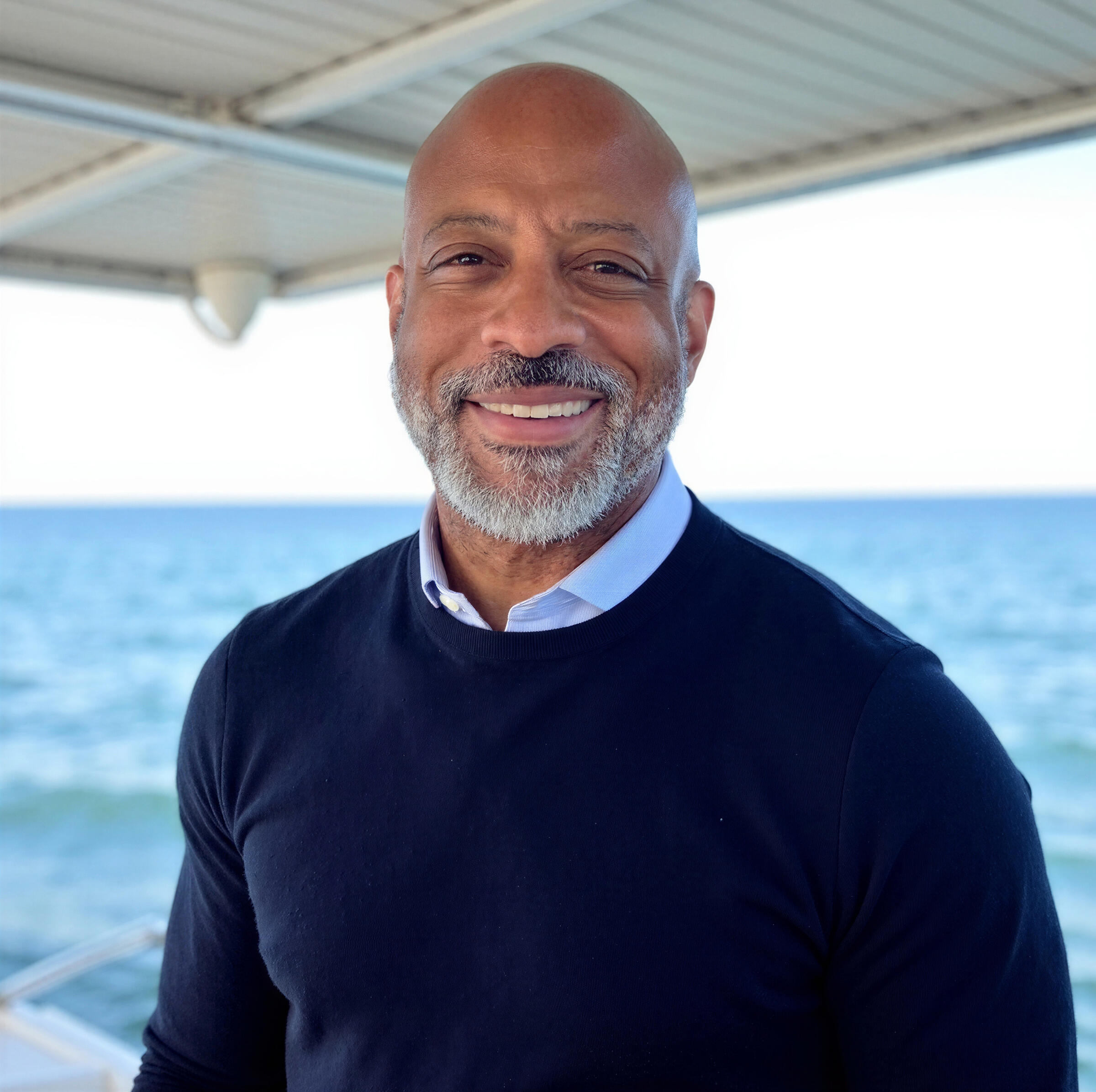
Daniel Evans

Founder & CEO
Evans & Company
[email protected]

Based in East Hampton, advising clients nationally.

M&A Advisory | Wealth ArchitectureOther Services:Your Family CFO – Post-exit wealth management for ultra-high-net-worth entrepreneursThe Stretch – M&A intelligence newsletter for CPG founders


© 2026 Evans & Company. All rights reserved.